Resources

Our comprehensive resources on different topics

Discover our comprehensive whitepapers and webinars on different rotor blade monitoring topics.

Resources

Featured

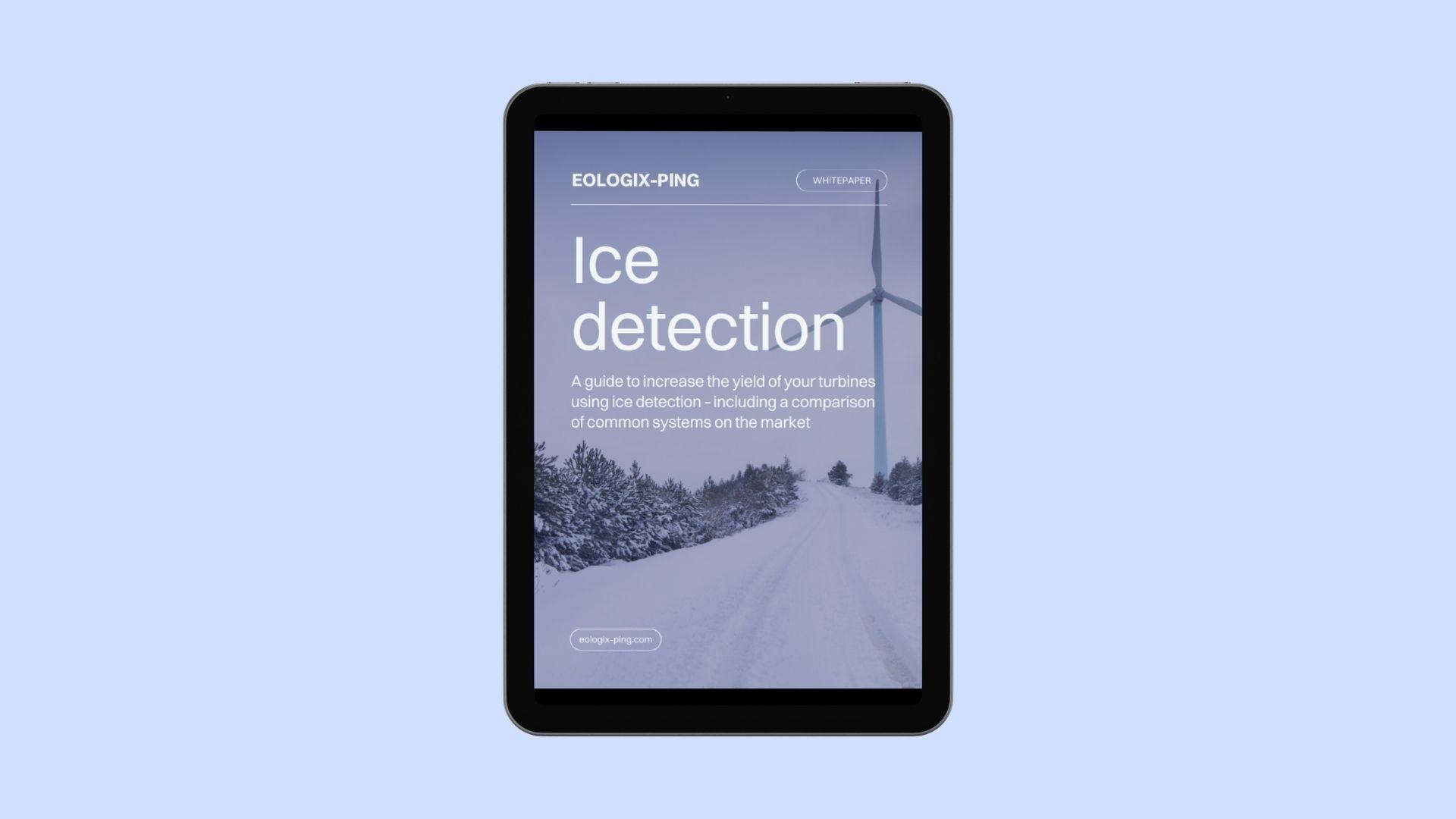
Title of the whitepaper ice detection.
Whitepaper

Ice Detection

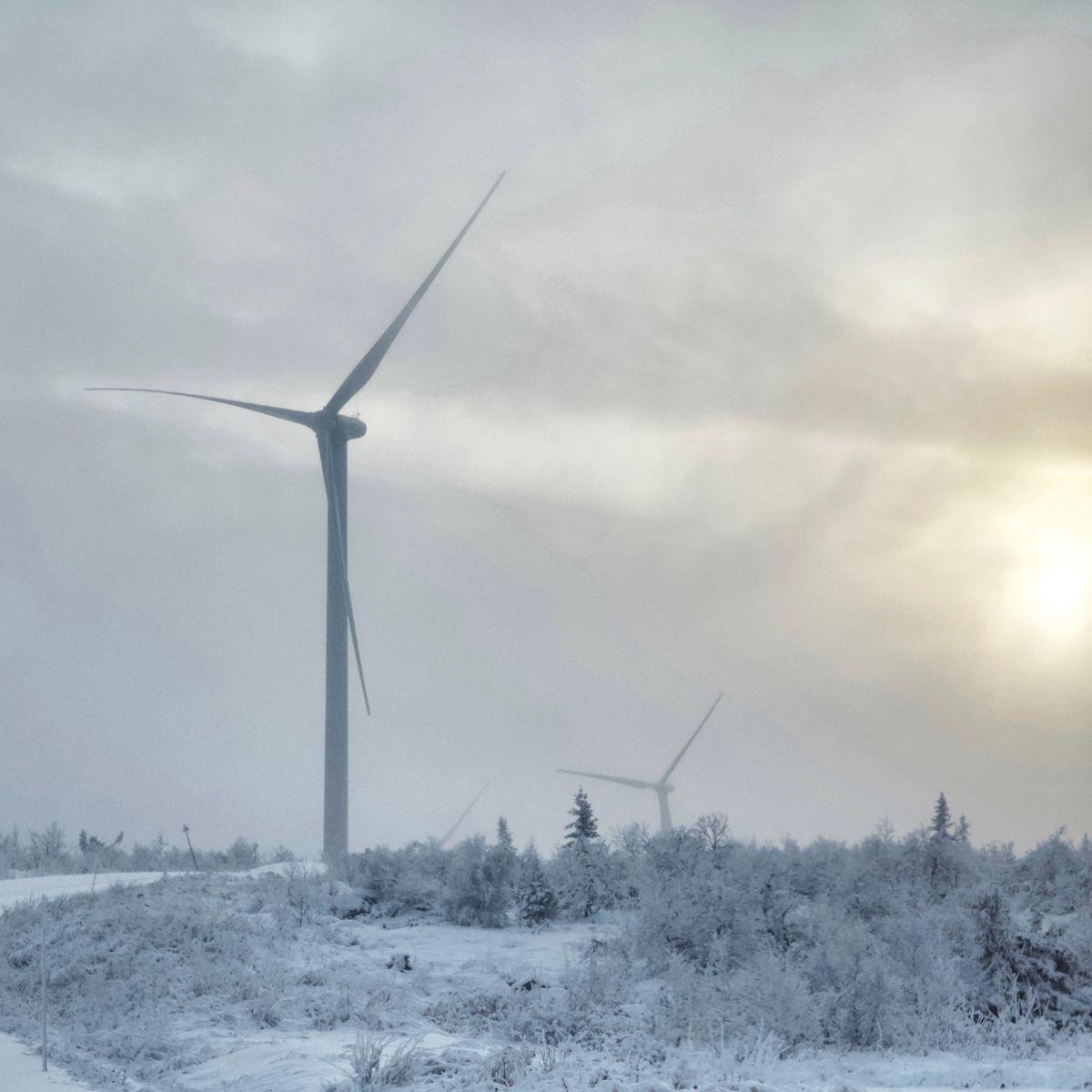
A guide to increase the yield of your turbines using ice detection - including a comparison of common systems on the market.

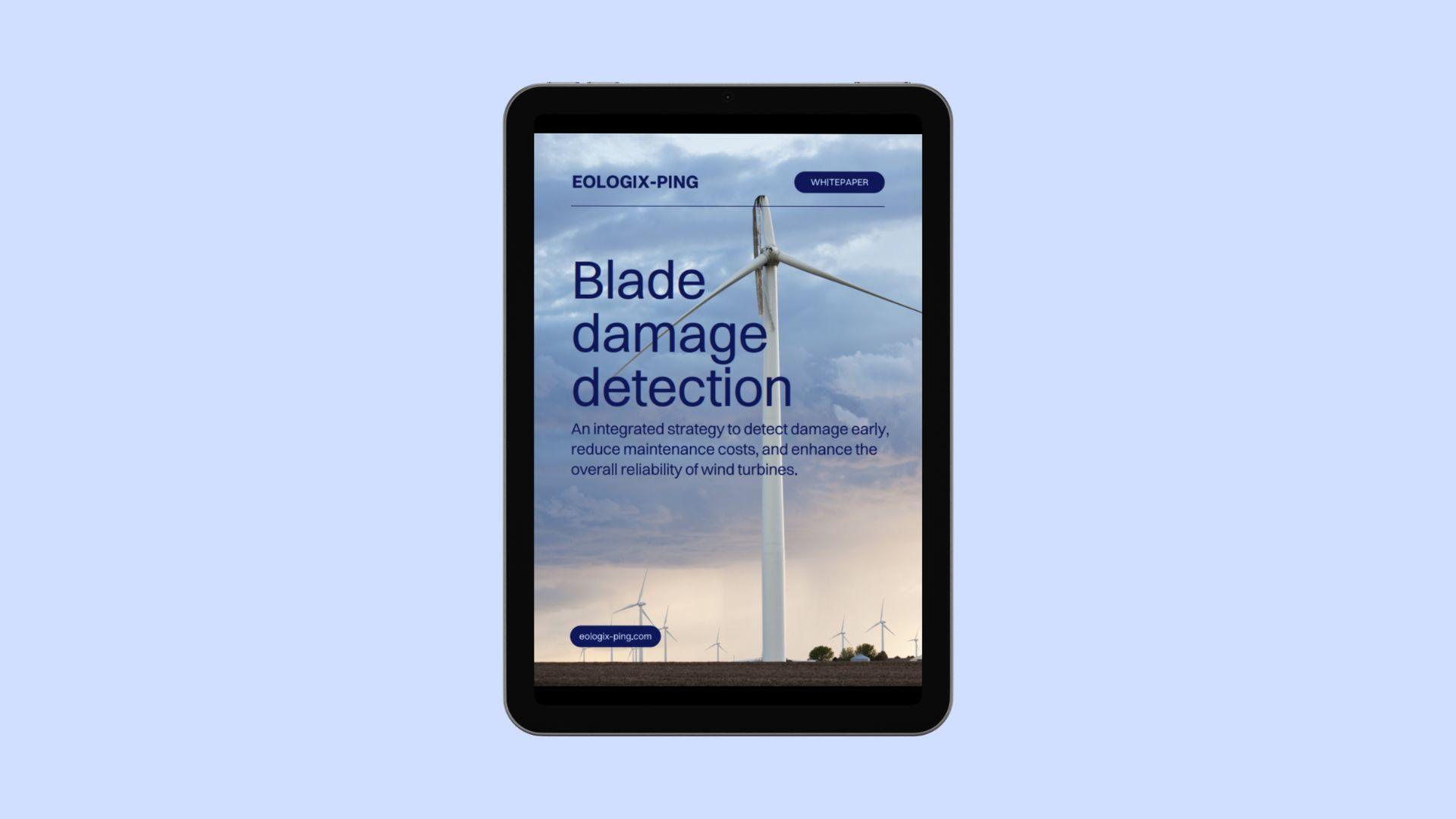
Title of the whitepaper blade damage detection.
Whitepaper

Blade damage detection

An integrated strategy to detect damage early, reduce maintenance costs, and enhance the overall reliability of wind turbines.

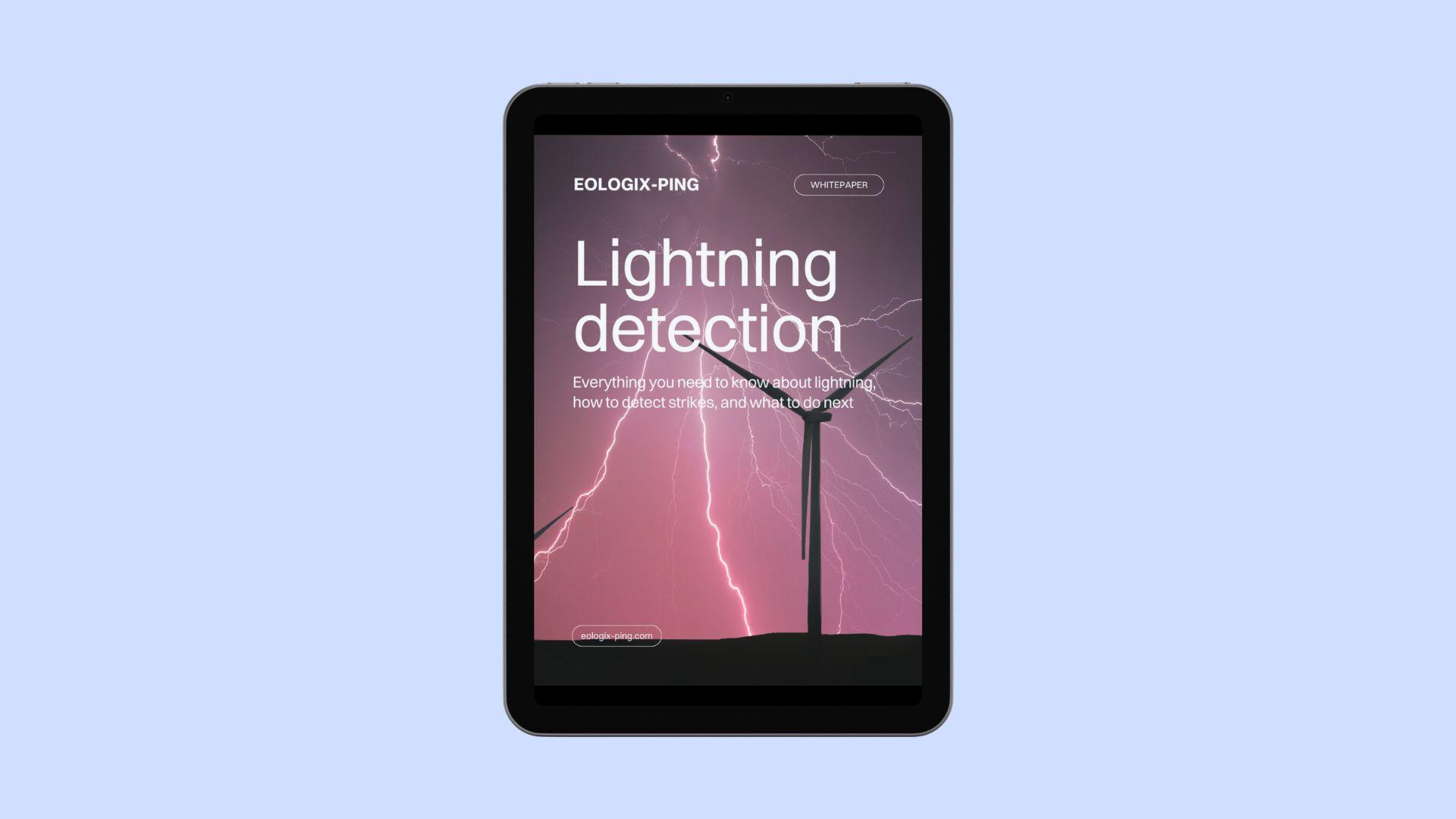
Whitepaper about lightning detection on wind turbines
Whitepaper

Lightning Detection

Everything you need to know about lightning, how to detect strikes, and what to do next.

All resources

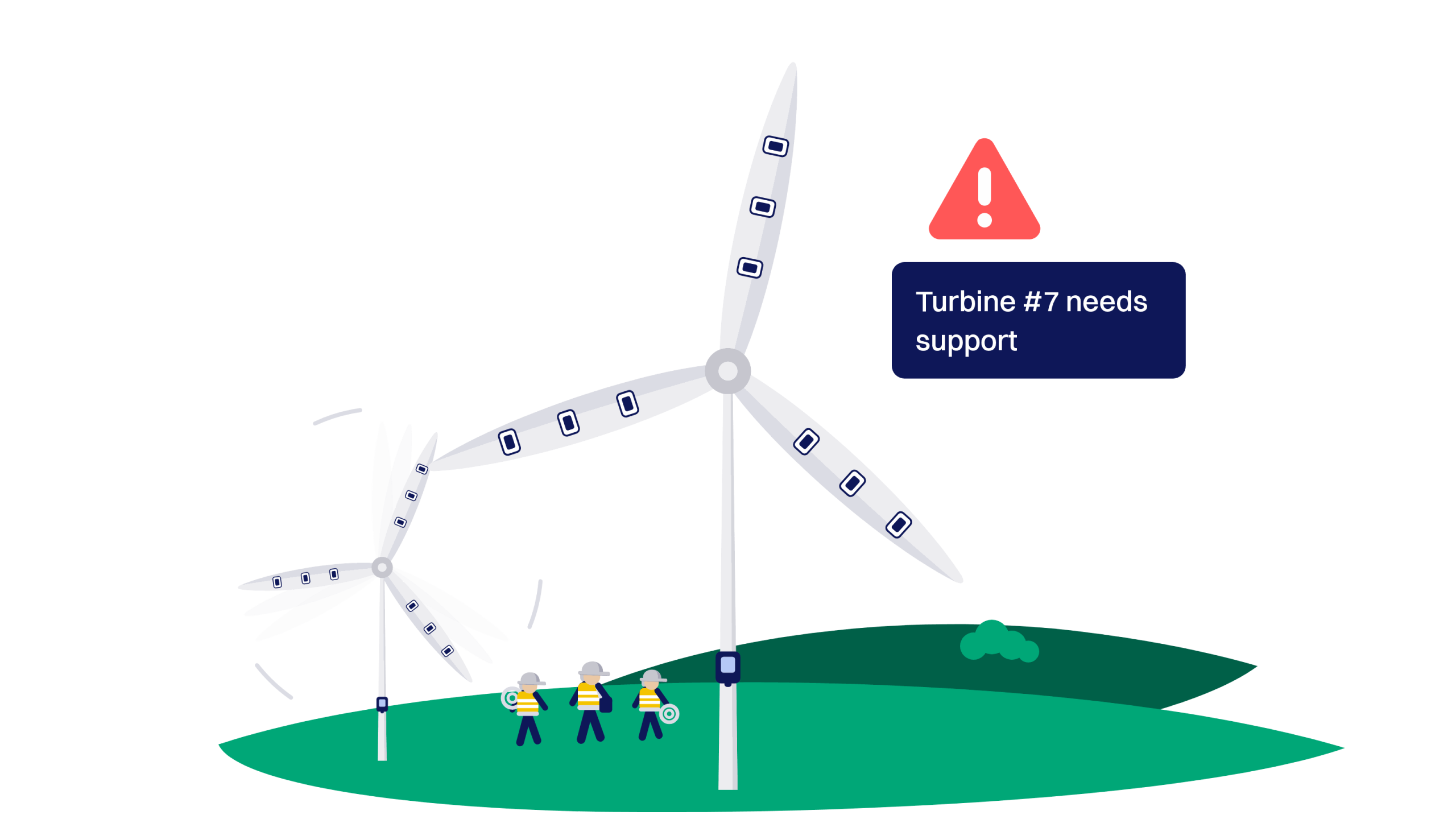
A service crew in hard hats and hi-vis vests walking to the one wind turbine that has stopped
Other material

Why choose EOLOGIX-PING?

Most operators learn about icing, damage, or lightning strikes too late. After a shutdown, a failed inspection, or a costly repair. EOLOGIX-PING gives you the continuous insight to act before problems escalate, on any turbine.

Title of the whitepaper ice detection.
Whitepaper

Ice Detection

A guide to increase the yield of your turbines using ice detection - including a comparison of common systems on the market.

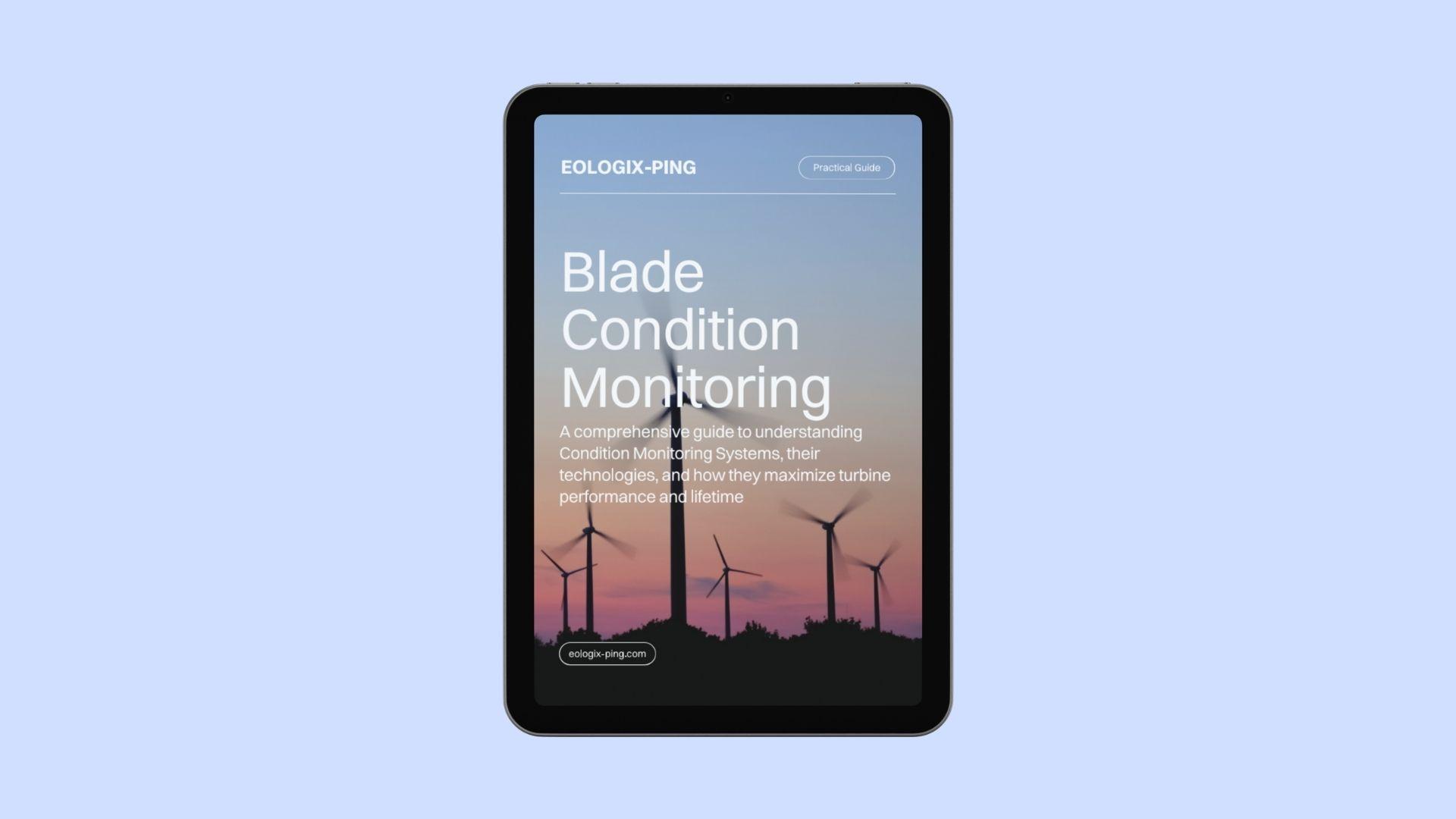
Title of the practical guide about Condition Monitoring Systems.
Whitepaper

Condition Monitoring Systems

A comprehensive practical guide to understanding Condition Monitoring Systems (CMS) for wind turbines.

Title of the whitepaper blade damage detection.
Whitepaper

Blade damage detection

An integrated strategy to detect damage early, reduce maintenance costs, and enhance the overall reliability of wind turbines.

Whitepaper about lightning detection on wind turbines
Whitepaper

Lightning Detection

Everything you need to know about lightning, how to detect strikes, and what to do next.

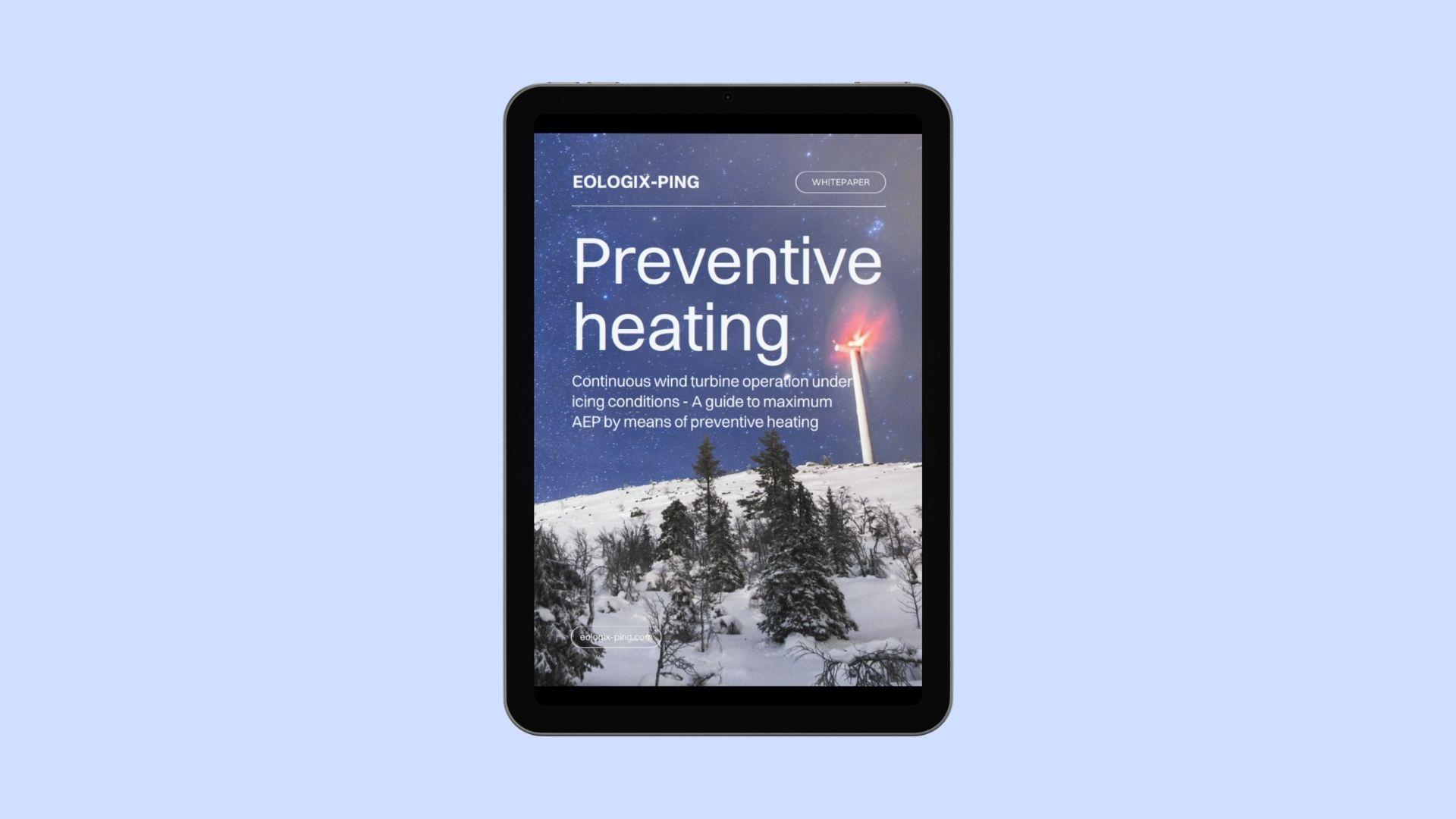
Title of whitepaper preventive heating.
Whitepaper

Blade Heating

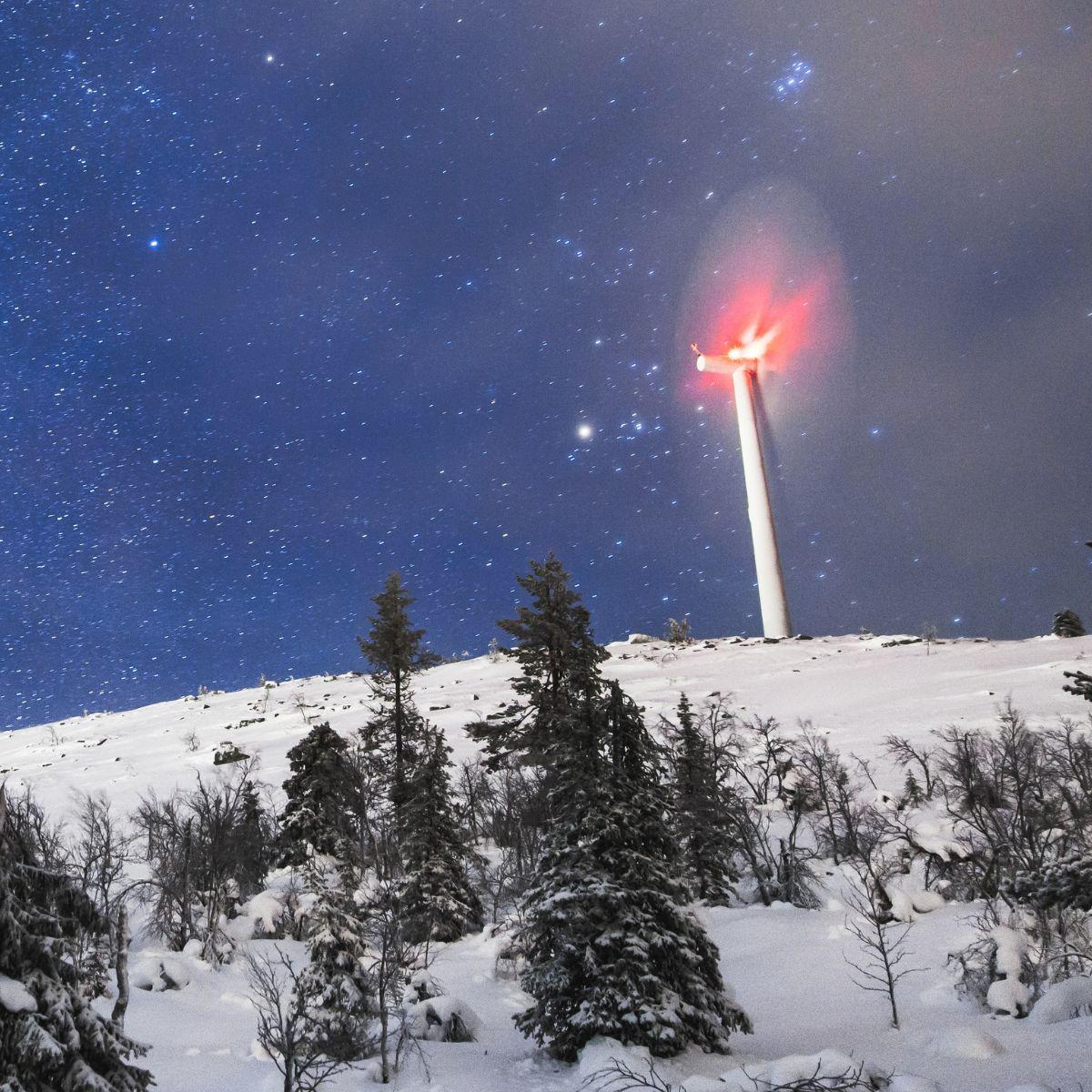
Continuous operation under icing conditions - A guide to maximum AEP by means of preventive heating.